Sponsored by

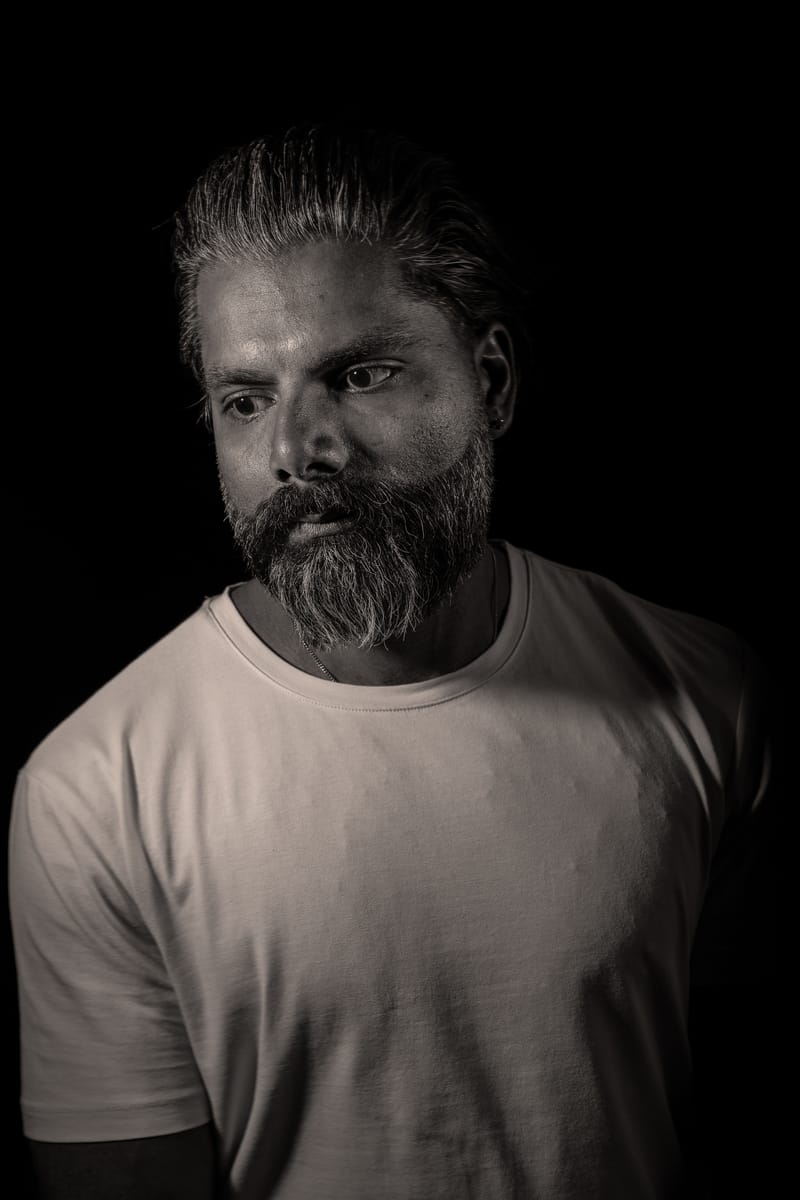
Stepping Out of the Shadow
In last week's episode of EZ Conversations, I had the opportunity to speak with Chip White, whom I had the pleasure of meeting at Podfest Multimedia Expo. Chip and I immediately connected through our shared experiences attending recovery meetings offered at the event, even though we attended different ones. Recovery was something we instantly had in common. Our conversation continued beyond Podfest, eventually leading to Chip joining me on the show.
During our discussion, we explored Chip’s journey through addiction, recovery, and how he has maintained sobriety for 23 years. Chip openly reflected on what it was like to live in the shadow of his sister, Vanna White, one of the show's longtime faces for over four decades. He vulnerably shared his struggles with entitlement, the desire for personal success, and how operating within that shadow often fueled numbing behaviours, avoidance, and self-destructive patterns.
As I reflected on my conversation with Chip, I found myself continually returning to the concept of the shadow. In therapeutic work, much of the healing process is not simply about identifying our shadow side but learning how to integrate it so we can move forward more holistically. The shadow often contains the unexamined wounds, insecurities, and patterns that quietly shape our decisions. Carl Jung’s framework reminds us that what remains unconscious can continue to direct our lives until we are willing to face it.
This reflection also confronted me personally. I recognized that my own journey of growth is ongoing and that my subconscious was reminding me there were still deeper layers of healing and self-awareness to explore. One of the most profound lessons in recovery and personal development is that wisdom often arrives through unexpected teachers. Sometimes guidance comes from clinicians, mentors, or scholars, but often it emerges from peers, younger individuals, shared conversations, or life experiences.
Being receptive to information, regardless of who is guiding us, offers significant psychological and emotional benefits. Research on humility and openness suggests that individuals who remain open to learning from diverse perspectives demonstrate greater emotional intelligence, resilience, and adaptability (Krumrei-Mancuso & Rouse, 2016). Openness allows us to challenge cognitive rigidity, reduce defensiveness, and strengthen our capacity for self-reflection. In mental health, this flexibility is crucial, as it fosters personal growth, enhances interpersonal relationships, and supports long-term behavioural change.
Humility also plays a central role in recovery. Accepting that valuable lessons can come from anyone helps dismantle ego-driven barriers that may otherwise keep us trapped in harmful patterns. Studies have shown that social connectedness, shared vulnerability, and peer learning are powerful contributors to sustained recovery outcomes (Best et al., 2016). When we remain open, we not only heal ourselves but also deepen our sense of belonging with others.
That is one of the greatest gifts I have taken from both my own journey and the work I do in the recovery space: there is profound wisdom in others' lived experiences. These shared experiences create connection, remind us we are not alone, and allow healing to become collaborative rather than isolated.
My conversation with Chip demonstrated this beautifully. Recovery became the bridge that brought us together. Through honest dialogue, vulnerability, and reflection, we were able to explore the shadow, uncover growth, and hopefully share that learning with others.
Stepping out of the shadow is not about denying darkness.
It is about having the humility to learn from it, integrate it, and allow it to guide us toward the light.

A snippet of the Episode
Head to YouTube for the full episode. Or Subscribe below:
What people are saying about the podcast:

Quote of the Week:
“I know not who I am?
I am neither Muslim, bird of mosque, nor infidelity is my task. Neither am I righteous, nor sinful, nor am I Moses, nor Pharaoh. Nor am I filthy, pious, saint. I live neither in pleasure nor in anguish. I am neither aquatic nor of earth, nor of fire, nor airy creature.”
Sponsors
5,000+ PE professionals. One 8-week program.

Build an MBA-caliber network and earn a Wharton Online certificate in 8 weeks. Join the next Private Equity Certificate Program starting June 8.
Use code SAVE300 to save $300 on tuition.
Learn how to code faster with AI in 5 mins a day

You're spending 40 hours a week writing code that AI could do in 10.
While you're grinding through pull requests, 200k+ engineers at OpenAI, Google & Meta are using AI to ship faster.
How?
The Code newsletter teaches them exactly which AI tools to use and how to use them.
Here's what you get:
AI coding techniques used by top engineers at top companies in just 5 mins a day
Tools and workflows that cut your coding time in half
Tech insights that keep you 6 months ahead
Sign up and get access to the Ultimate Claude code guide to ship 5X faster.
Is Your Retirement Plan Built to Last?

Most people saving for retirement have a number in mind. Fewer have a plan for turning that number into actual income.
The Definitive Guide to Retirement Income walks you through the questions that matter: what things will cost, where the money comes from, and how to keep your portfolio aligned with your long-term goals.
If you have $1,000,000 or more saved, download your free guide and start building a retirement income plan that holds up.
Subscribe to the Podcast and Newsletter
Looking to build your own Newsletter?
Follow my personalized link to get 20% off all Beehiiv plans:

