Sponsored by

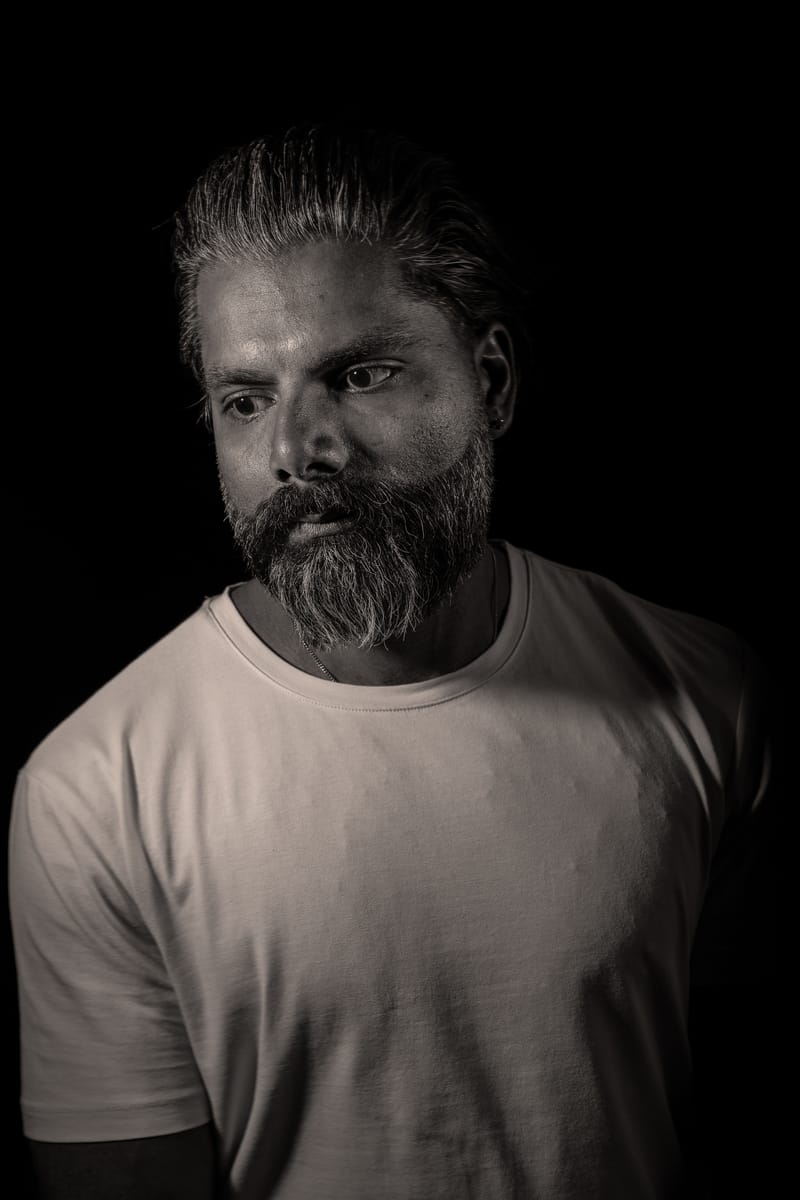
In last week's episode of EZ Conversations, I had the honour of hosting Dr. Benjamin Long, a sleep medicine physician. Dr. Long's passion was evident throughout our conversation, and we could have kept talking about sleep for hours on end. Dr. Long answered several questions regarding sleep quality, the role of substances, and how to improve our ability to fall asleep through sleep hygiene, managing screen and light use, and the several myths surrounding catching up on sleep, and the use of melatonin supplements. We also had an interesting pivot in which we discussed the role of spirituality in sleep and how many ancient traditions value this aspect of our biology. The conversation was jam-packed with depth and knowledge.
Upon reflection, I recognize that part of my passion for talking with Dr. Long was also a product of focus on my own sleep, which has been instrumental in my growth and well-being. I also mentioned during the episode that when I am working with clients experiencing a loss in purpose, mood dysregulation, or a general lack of motivation, I will explore their sleep routines with them, much to their dismay. I have also spoken about sleep being one of the first things we compromise when engaging in maladaptive coping mechanisms, or when working extra hours. During my undergrad in Engineering, I felt a sense of pride in pulling all-nighters and skipping sleep. In subsequent years, there was a focus on going out and staying up late. As Dr. Long highlighted during our episode, there is ancient wisdom in going to sleep and using the night for rest and the day for work. As in many things from ancient traditions, how do we apply this wisdom in our lives?
Part of the answer lies in recognizing that sleep is not simply passive rest—it is one of the most biologically active processes that supports our psychological well-being. During sleep, the brain consolidates memory, regulates emotional processing, and restores the systems that allow us to think clearly and respond to stress. When sleep becomes irregular or compromised, we often see the downstream effects quickly: mood becomes more volatile, patience shortens, motivation declines, and our ability to regulate difficult emotions weakens.
This is why sleep is often one of the first places I start when working with clients. Improving sleep does not solve every problem, but it often lays the foundation for healing. A well-rested brain is better able to engage in reflection, learning, and emotional regulation. In practical terms, people often notice improvements in mood stability, focus, productivity, and resilience once their sleep stabilizes.
There is also growing evidence that sleep plays a critical role in long-term health and longevity. Consistent sleep supports immune function, metabolic health, and cognitive preservation as we age. In many ways, sleep is one of the simplest yet most powerful forms of preventative care available to us.
Perhaps this is why ancient traditions emphasized the rhythm of night and day so strongly. Before artificial lighting, late-night scrolling, and constant digital stimulation, human life followed a more natural cadence—work with the light, and rest with the dark. While modern life does not always allow us to fully return to that rhythm, it does invite us to reconsider our relationship with rest.
The question, then, is not simply whether we are getting enough sleep. The question is whether we are willing to treat sleep as essential rather than optional.

A snippet of the Episode
Head to YouTube for the full episode. Or Subscribe below:
What people are saying about the podcast:

Quote of the Week:
“If you get tired, learn to rest, not to quit.”
Sponsors
The 15-Minute Retirement Plan

Retirement savings face two quiet threats: cash flow gaps and inflation eroding purchasing power over time. The 15-Minute Retirement Plan helps investors with $1,000,000 or more account for both and build a portfolio designed to last the distance.
Are You Ready to Actually Retire?

Knowing when to retire is harder than knowing how much to save. The timing depends on what your retirement actually looks like: how long your money needs to last, what you'll spend, and where your income comes from.
When to Retire: A Quick and Easy Planning Guide is built for investors with $1,000,000 or more who are ready to move from saving to planning. Download your free guide and start working through the details.

The best HR advice comes from those in the trenches. That’s what this is: real-world HR insights delivered in a newsletter from Hebba Youssef, a Chief People Officer who’s been there. Practical, real strategies with a dash of humor. Because HR shouldn’t be thankless—and you shouldn’t be alone in it.
Subscribe to the Podcast and Newsletter
Looking to build your own Newsletter?
Follow my personalized link to get 20% off all Beehiiv plans:

