In partnership with

The Process of Individuation: How Creative Expression Writes Us Back to Life
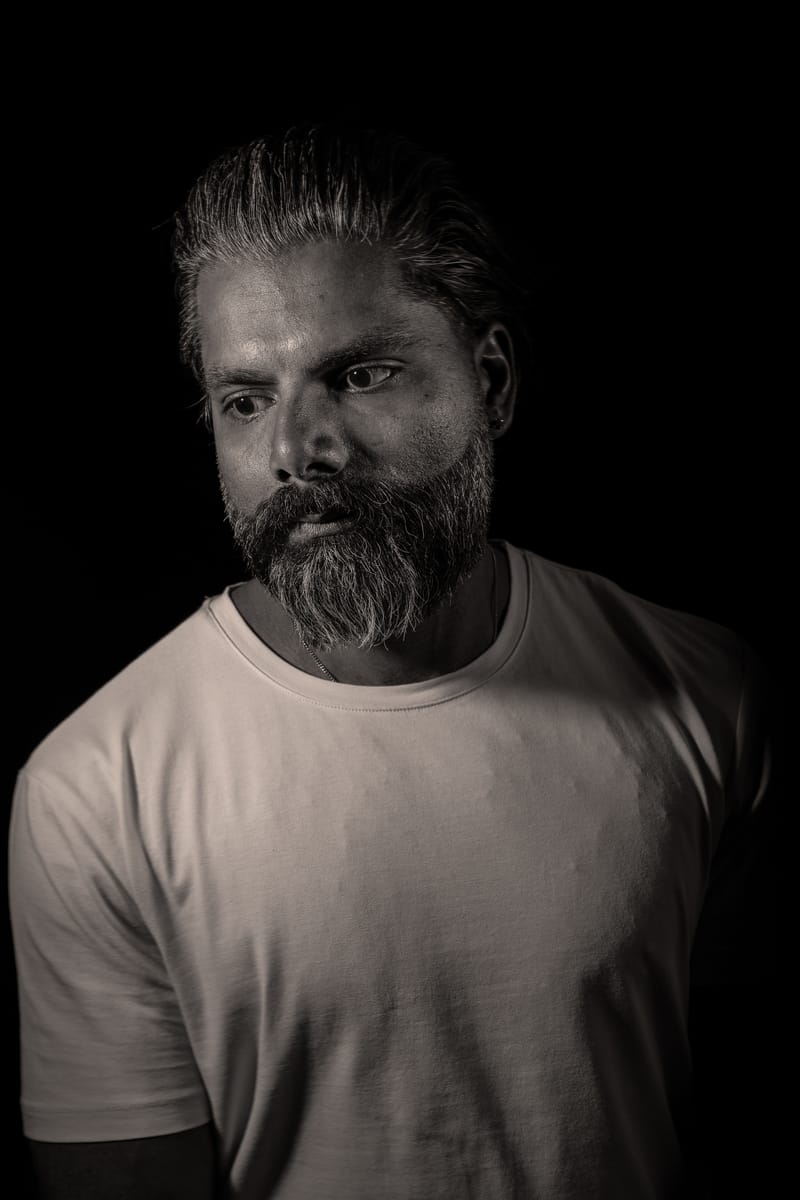
In last week's episode of EZ Conversations, I had the opportunity to speak with Christian Hurst (Listen Here) and explore his life. We discussed many layers, including Christian's success in writing science fiction with his Lilly Starling series. What stood out most to me was Christian's mindset around navigating his personal mental health struggles and being diagnosed with both ADHD and bipolar disorder. Christian shared that he has not sought a cure for these conditions, but has worked hard to integrate them because he knows if he is not ahead of them, he can go off track in his life. Christian tied the same level of acceptance and compassion for his son, who has autism. The unconditional, radical acceptance Christian expressed during our conversation was profoundly inspiring. In a similar vein, we also discussed the power of creative expression to help us navigate these heavy aspects of our lives, and by using our personal experiences as a take-off point, we can integrate these different parts of our lives.
As I reflected on my conversation with Christian, and spent some time in solitude planning for 2026, I continued to relate to the idea of individuation that Carl Jung had expanded on. 2025 was a year of many changes and transformations for me, and as I processed the emotions it brought, I resonated with individuation. As Jung explains, we must all, at some point in our lives, confront the shadows and find our true selves. That concept of self can seem vague and abstract, but recognizing that we may be being what others want us to be can be a process of liberation. As Christian and I discuss the role of agency in the episode, individuation is one of the most potent ways to assert it. We also talked about the human need for belonging, but as Jung explains, that can come at a cost to our soul, especially if we outsource our conscience. For me, and many others I speak to, including Christian, the most significant way of claiming who we were meant to be is through creative expression.
Research consistently shows that creative expression is not merely cathartic, but neurologically and psychologically organizing. James Pennebaker’s landmark studies on expressive writing found that individuals who wrote about emotionally significant experiences for as little as fifteen to twenty minutes over several days experienced improvements in immune function, reduced depressive symptoms, and fewer physician visits. The act of translating lived experience into narrative appears to quiet the amygdala, reduce physiological stress markers, and strengthen prefrontal regulation—helping the brain make meaning from chaos.
Neuroscience has also shown that when experiences remain unarticulated, they often stay stored in the limbic system as fragmented sensory memory. Creative expression — whether through writing, music, or art — supports the integration of these fragments into autobiographical memory, allowing the brain to shift from survival mode into reflection. This process has been associated with improved emotional regulation, reduced rumination, and increased psychological flexibility — all core components of resilience.
From a Jungian perspective, this is precisely where individuation unfolds. The unconscious does not speak in logic; it speaks in image, symbol, metaphor, and story. When we create, we are not escaping reality — we are entering into dialogue with the parts of ourselves that cannot be accessed through cognition alone. This is why so many people describe creative work as less like invention and more like remembering.
For Christian, this dialogue takes the form of science fiction. For others, it may be journaling, poetry, music, prayer, or stillness. The form is not what heals — it is the relationship we build with ourselves through the act of expression. Creative work gives the shadow a voice, the wounded parts dignity, and the fragmented self a language of wholeness.
Individuation is not achieved through productivity or performance. It is earned through attention — attention to what aches, to what longs to be said, and to what we have silenced to belong. In a world that rewards conformity more than courage, choosing to create is one of the most radical assertions of agency we can make.
In that sense, writing yourself back to life is not a poetic metaphor. It is a psychological truth.

A snippet of the Episode
Head to YouTube for the full episode. Or Subscribe below:
What people are saying about the podcast:

Quote of the Week:
The world will ask you who you are, and if you don't know, the world will tell you.”
Sponsors
Feeling Anxious? You are not alone

Get help from a licensed therapist - anytime, anywhere. BetterHelp has helped over 5 million people, with no commitment, 100% online.
Take the first step, with 25% off your first month, and a network of 30,000 therapists to choose from. BetterHelp therapy is HSA + FSA eligible. Just take our quiz to get matched with a therapist and start your journey.
This email was delivered by a third-party, on behalf of BetterHelp. Copyright © 2025 BetterHelp. All Rights Reserved. 990 Villa St, Mountain View, California, United States.
Wall Street’s Morning Edge.

Investing isn’t about chasing headlines — it’s about clarity. In a world of hype and hot takes, The Daily Upside delivers real value: sharp, trustworthy insights on markets, business, and the economy, written by former bankers and seasoned financial journalists.
That’s why over 1 million investors — from Wall Street pros to Main Street portfolio managers — start their day with The Daily Upside.
Invest better. Read The Daily Upside.
The Chick-fil-A of News Sources

The “Chick-fil-A of news sources” thinks they’ve found a way to help Christians have a healthy relationship with the news. It’s called The Pour Over, and it has two goals:
Keep readers informed about the major headlines of the day
Keep readers focused on Christ
It pairs neutral, lighthearted coverage of current events with brief biblical reminders to stay focused on eternity.
Are they hitting the mark? 1.5 Million Christians believe they are. See what you think. Subscribe here for free!
Would you like to work with me?
Book a 1:1 Call with me! I am taking on new clients in April and offering a free consultation.
Subscribe to the Podcast and Newsletter
Looking to build your own Newsletter?
Follow my personalized link to get 20% off all Beehiiv plans:

